Aegon III and Jaehaera's Marriage
Fire & BloodAegon III and Jaehaera’s marriage joined the children of opposing Targaryen branches in a highly visible attempt to reconcile a realm shattered by civil war. Their wedding and Aegon’s coronation offered a spectacle of dynastic continuity, but the royal union did not become a close personal partnership: both were children marked by loss, and they had little contact after the ceremony. Jaehaera died at ten, less than two years after the marriage, leaving its promise of reconciliation painfully fragile and its final circumstances uncertain.
A Marriage Meant to Reconcile the Dynasty
The match belonged to a long-standing political use of marriage in Westeros. Aegon I and his queens had arranged marriages between noble houses from distant regions to bind conquered lands together; cross-regional matches could turn political connection into kinship. Jaehaera and Aegon III represented a more intimate and urgent version of that principle. They were not simply two young royals being joined: they were survivors from the opposed sides of the Targaryen civil war, and their marriage was presented as a way to carry the dynasty forward after its internal conflict.
The union also followed the established Targaryen custom of marrying within the royal family. Earlier royal marriages had combined dynastic continuity with questions of succession and alliance: Aenys, for example, married Alyssa Velaryon, a bride of Valyrian descent, while Aegon I had taken both his sisters as wives. In Aegon III and Jaehaera’s case, however, the political symbolism was especially prominent. Their shared royal identity made the match a visible bond between branches that had fought for the Iron Throne, but the ceremony could not by itself undo what each child had suffered.
The Wedding and Coronation
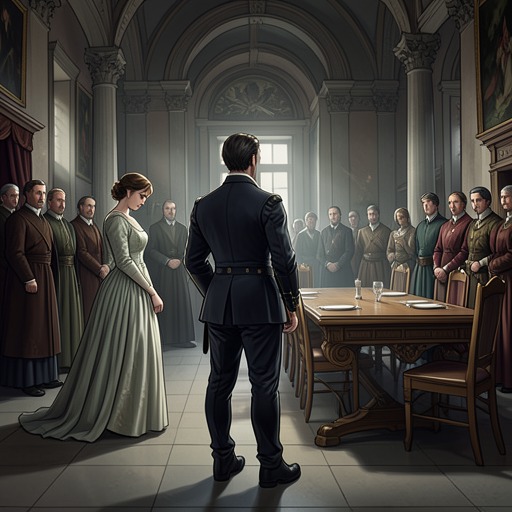
The wedding took place on the seventh day of the seventh moon of 131 AC, a date regarded as auspicious. Because the Dragonpit remained largely in ruins, the ceremony was held outdoors atop Visenya’s Hill. Grandstands gave the nobility a clear view, while crowds filled the streets and cheered the young couple. The High Septon of Oldtown performed the marriage rites. Aegon was crowned with a plain circlet of yellow gold, and he placed a crown upon Jaehaera’s head, joining the marriage celebration to the public affirmation of his kingship.
The setting and scale made the ceremony a political statement as well as a royal celebration. The wedding was described as the most lavish spectacle in the Seven Kingdoms since Aegon II’s coronation in the Dragonpit. Yet the comparison also exposed what the new reign lacked: there were no dragons to circle the city or make a majestic arrival. The ruined Dragonpit stood as a material reminder of the conflict the marriage was meant to close. The cheering crowds could witness a new royal household being proclaimed, but the absence of the old symbols of Targaryen power made the settlement appear more vulnerable than triumphant.
The Dowager Queen Alicent Hightower was notably absent. As Jaehaera’s grandmother, she would ordinarily have been expected at the wedding, so her absence became one of the conspicuous omissions in a ceremony designed to display familial and political unity. The account does not establish why she was missing; its significance lies in the contrast between the public performance of reconciliation and the divisions that remained within the royal family.
Two Children, Little Intimacy
The marriage was troubled from the beginning. Aegon was ten at the wedding and Jaehaera was a child bride; neither was in a position to make the union the foundation of an independent adult life. Their earlier losses were not alike, but both had been shaped by the violence of the war. Jaehaera had witnessed the murder of her twin brother, while Aegon had lost his brothers and seen his mother killed by his uncle. Their history made the wedding’s promise of a fresh start inseparable from the suffering that had made such a settlement necessary.
In the months after the ceremony, the children had little contact beyond formal occasions, which were themselves rare. Jaehaera was reluctant to leave her chambers. She was lonely, prone to weeping, and described as developmentally slow, but she seemed content in the company of her maids and ladies, kittens, and dolls. Aegon showed little interest in his wife or in other girls. He did not seek conversation, and his replies were terse; he also took no pleasure in the usual pursuits of riding, hunting, jousting, reading, dancing, or singing. He had no friends except Gaemon Palehair and often failed to sleep through the night.
Their distance should not be mistaken for evidence that either child freely rejected the other. The available account presents a royal marriage arranged around political necessity and inhabited by two children with little capacity for ordinary companionship. Aegon’s unusual anger at the mention of dragons and his withdrawn behavior, alongside Jaehaera’s distress and reluctance to leave her rooms, emphasize how far the human consequences of war persisted inside the Red Keep, beyond the public image offered by the wedding.
Jaehaera’s Death and the Marriage’s Uncertain End
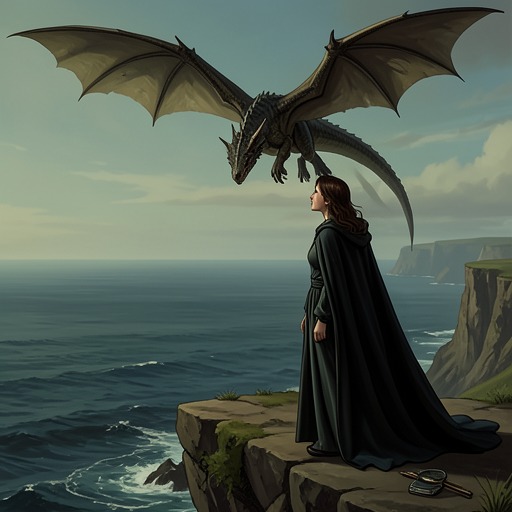
On the twenty-second day of the ninth moon of 133 AC, Jaehaera died at ten after falling from a window in Maegor’s Holdfast. The account says she had been impaled on the spikes below and suffered before she could be lifted free; the event was immediately compared with the death of her mother, Helaena, who had died in a similar manner. The parallel intensified public grief and suspicion. Many in King’s Landing remembered Jaehaera from the wedding and mourned the frightened child who had since hidden herself away in the Red Keep.
No settled explanation for her death survives. Some people speculated that grief over Lady Rhaena’s miscarriage had overwhelmed her; others suggested jealousy of the child Lady Baela was expecting, or distress at Aegon’s lack of affection and attention. Others rejected suicide and believed she had been murdered, but the historical account does not establish that any of these explanations was true. It expressly leaves open whether she acted in despair or was killed, and concludes that the true story will never be known.
Jaehaera’s death ended a marriage that had been asked to carry the hopes of dynastic reconciliation without evidence that the children had developed a close bond. The union’s political meaning was clear in its public setting, its timing, and its joining of the rival branches; its private meaning is much less certain. The wedding could make peace visible for a day, but it could not restore the children it had placed at the center of that settlement.